Hello Fellow Explorers! Are you ready for a little adventure—one that takes us not just through scenic landscapes but into the depths of history and mystery along the Kentish coast?
Having recently relocated to Westwood, Thanet, it is always such a pleasure to venture out and explore the nearby towns. Just this morning, my husband and I took a scenic drive over to the charming coastal town of Herne Bay, before making the quick trip down the coast to Reculver. I felt compelled to share with you the hauntingly beautiful story this stretch of coastline tells.
Picture this: the sun shining warmly, a sharp breeze brushing against your face, and the water dazzling like liquid diamonds. On the surface, it’s the perfect postcard scene. But the closer you look—the tide, the crumbling stones—the more you realize that exploring these shores is far from just a peaceful stroll by the sea. This coast is a graveyard of unfinished stories, whispers carried by the wind and waves, waiting to be heard by anyone patient enough to pause.
Before we even reached the water at Herne Bay, our eyes were drawn to the Herne Bay Clock Tower, standing tall since 1837. This tower has silently witnessed the town’s tides of fortune—Victorian holidaymakers in their elegant attire, the ominous clouds of war gathering overhead. Nearby, a bronze statue stands in quiet tribute: Amy Johnson, the daring aviator whose life was as fleeting as it was legendary.
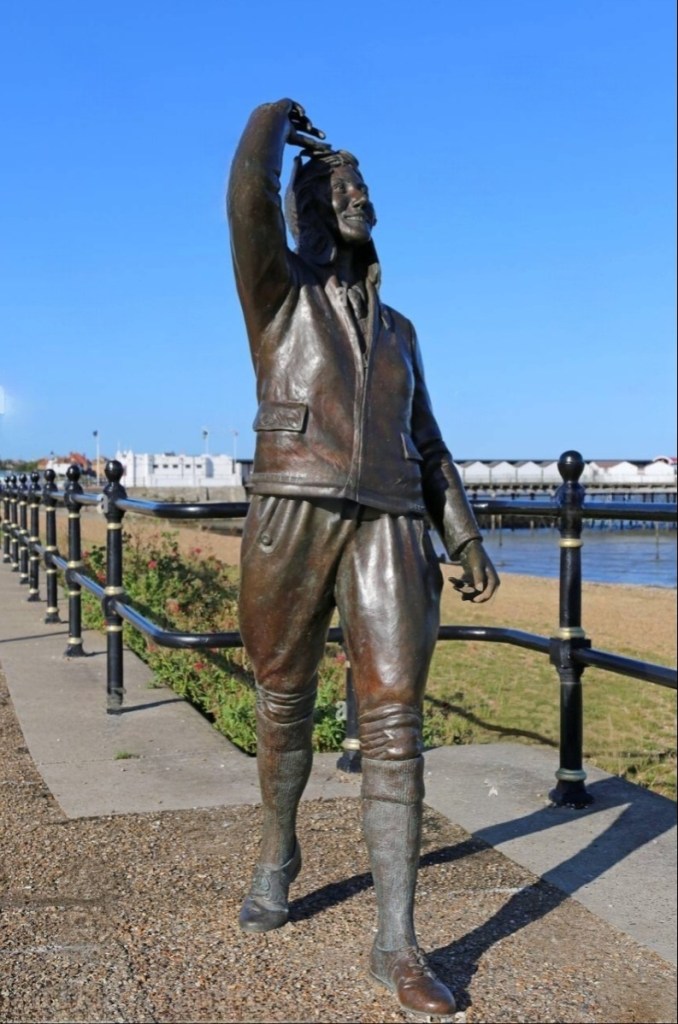
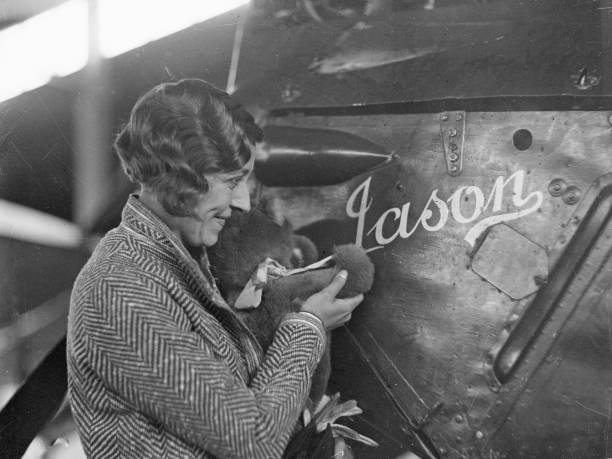
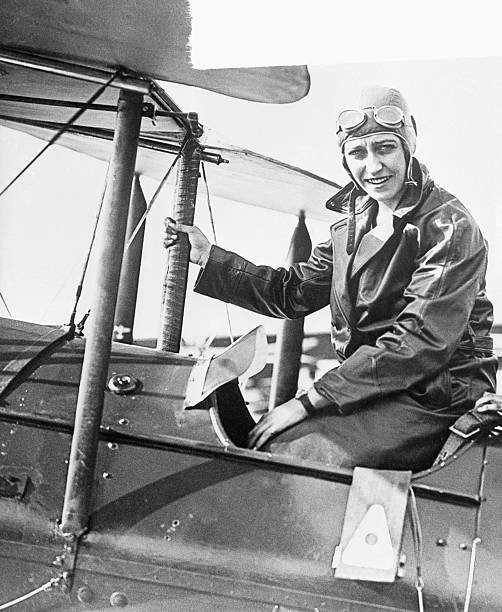
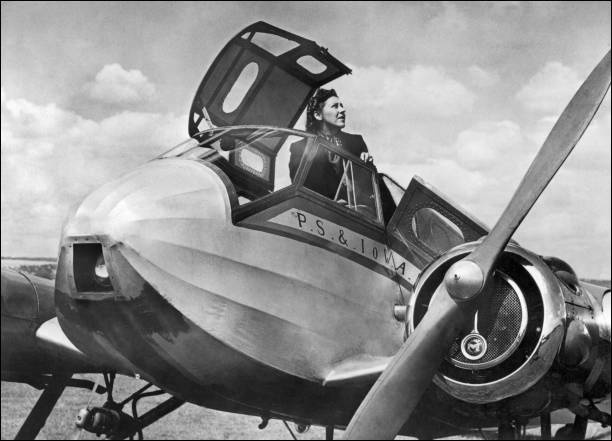
Amy Johnson wasn’t just a pilot; she was a trailblazer who shattered the glass ceilings of her time. Back in 1930, she stunned the world by flying solo from England to Australia in a tiny Gipsy Moth plane. But her story doesn’t end with triumph—rather, it dips into chilling tragedy. On January 5, 1941, while flying a twin-engine Airspeed Oxford through a blizzard of fog and snow, she vanished over the Thames Estuary.
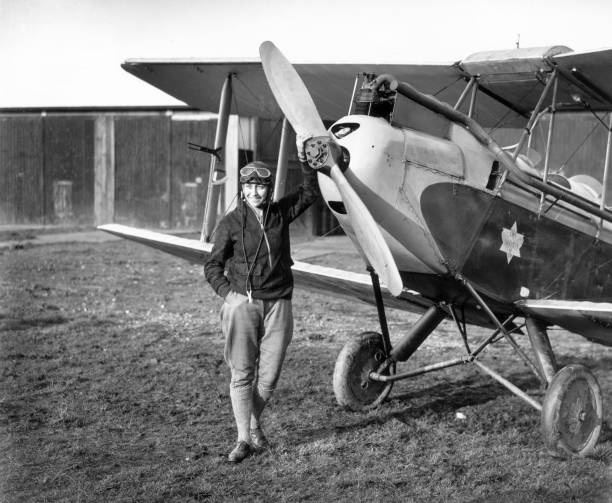
The “Mystery” of Her Final Flight
While the official story is that she ran out of fuel and crashed due to the weather, there are two persistent theories that make her end even more dramatic:
The “Friendly Fire” Theory: In 1999, a former anti-aircraft gunner named Tom Mitchell claimed that he and his crew actually shot her down. He said they challenged her plane with a signal, she gave the wrong code twice, and they opened fire. They only realized who it was the next day.
The Mystery Passenger: Some witnesses on the HMS Haslemere (the ship that tried to save her) claimed they saw two people in the water, not just one. This sparked decades of rumors that she might have been on a secret mission or carrying a passenger that the government didn’t want to disclose. However, no evidence of a second person has ever been found in ATA records.
The plane she’s most famous for, Jason, was tiny compared to the heavy bombers used later in the war. Seeing that statue makes you realize how vulnerable she would have been in those freezing waves.Legend and speculation weave their way through her final moments—the aircraft lost in a blinding white-out, Amy forced to parachute into freezing, turbulent waters. Sailors aboard the HMS Haslemere saw her fall, threw ropes, and listened to her desperate cries. Yet, despite heroic efforts—including Lt Cmdr Walter Fletcher’s brave plunge into the icy waves to save her—she was lost. Fletcher’s own life was claimed shortly after by the cold water.
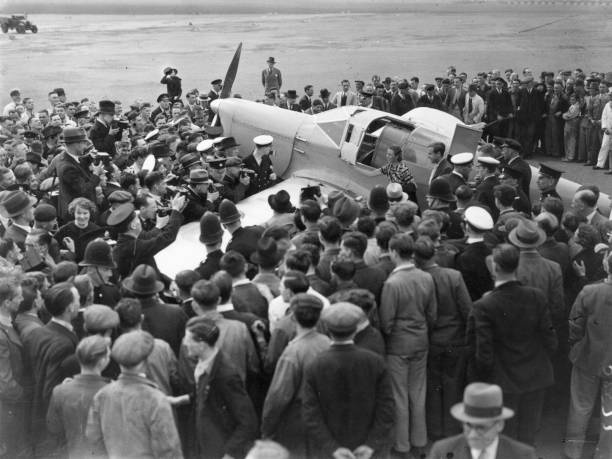
The Initial “Missing” Reports
The first headlines simply stated: “AMY JOHNSON MISSING” or “FAMOUS AIRWOMAN BELIEVED DROWNED.” At first, there was a glimmer of hope. People remembered her as a survivor who had walked away from several crashes in the past. However, when the Ministry of Aircraft Production released a statement saying her plane had been found abandoned and she had been seen drifting in the Thames Estuary, the mood shifted to mourning.
What caused Amy’s disappearance remains a haunting mystery—was it friendly fire, covert espionage, or a tragic accident involving the rescue ship’s propellers? Standing there today with the gray sea before us, I couldn’t help but feel a profound silence descend, a whisper of peace sent out across time and tide to honor both Amy Johnson’s spirit and Walter Fletcher’s sacrifice. It’s a reminder of the fragility of life amidst the unforgiving elements.
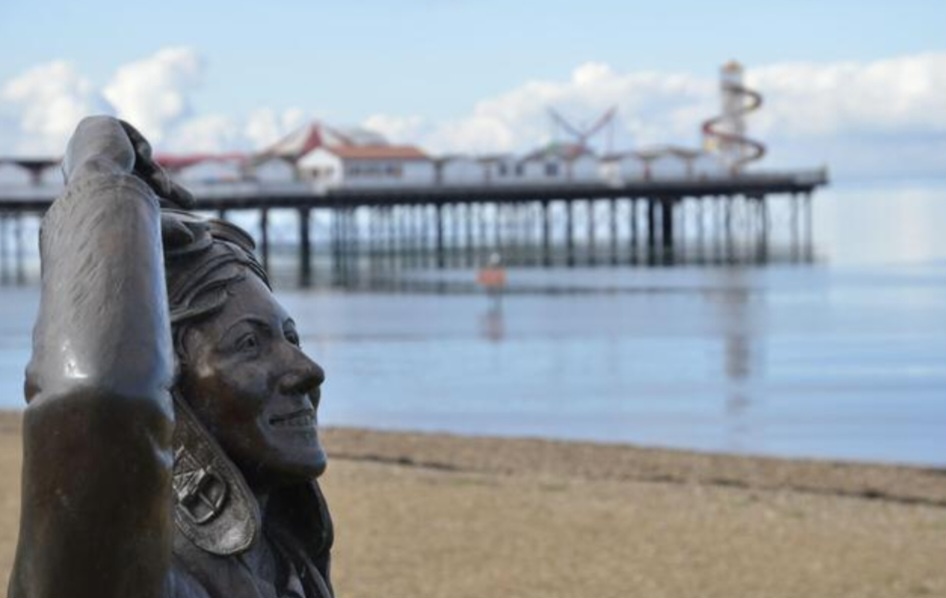
The statue’s posture—standing alone, looking out at the water—really reflects that sense of the “solitary aviator.” Because she was never found, that spot at Herne Bay serves as her “spiritual” grave.
The Drowned World of Reculver (Regulbium)
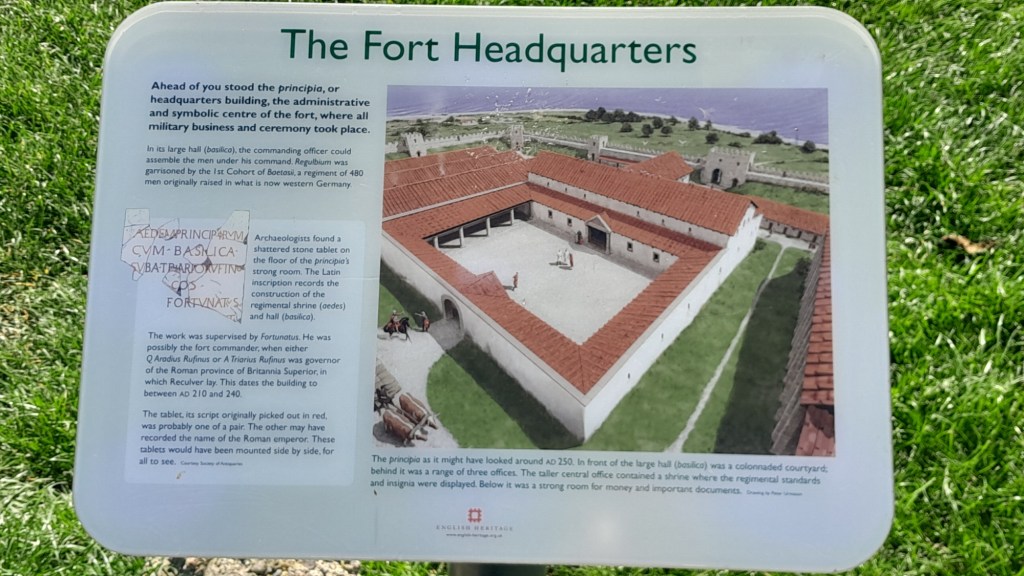
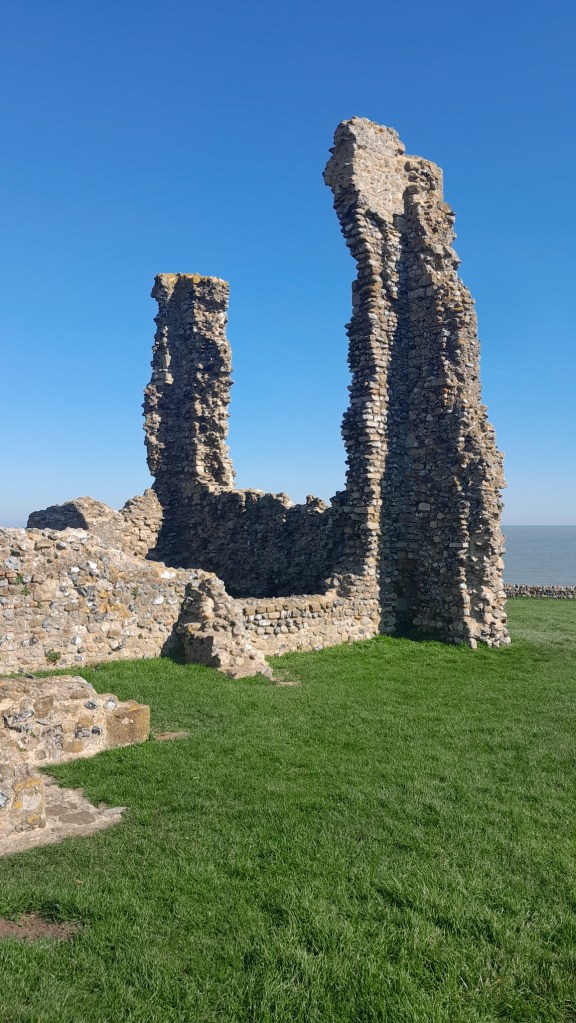
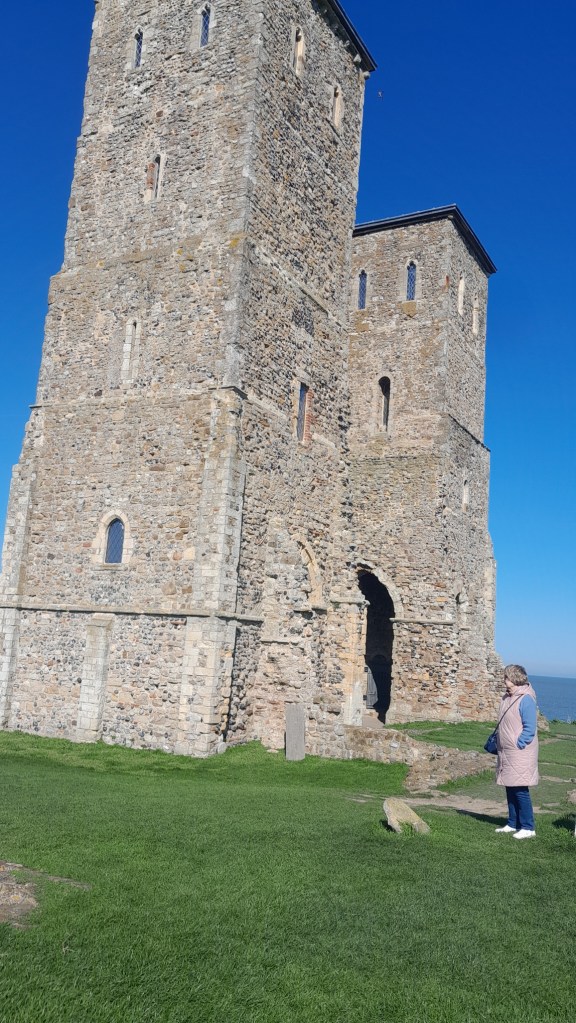
Leaving Herne Bay behind, we took the short drive over to Reculver, and the scenery shifted dramatically as we approached. Here lie the imposing “Twin Towers,” markers of a vanished Roman world called Regulbium.
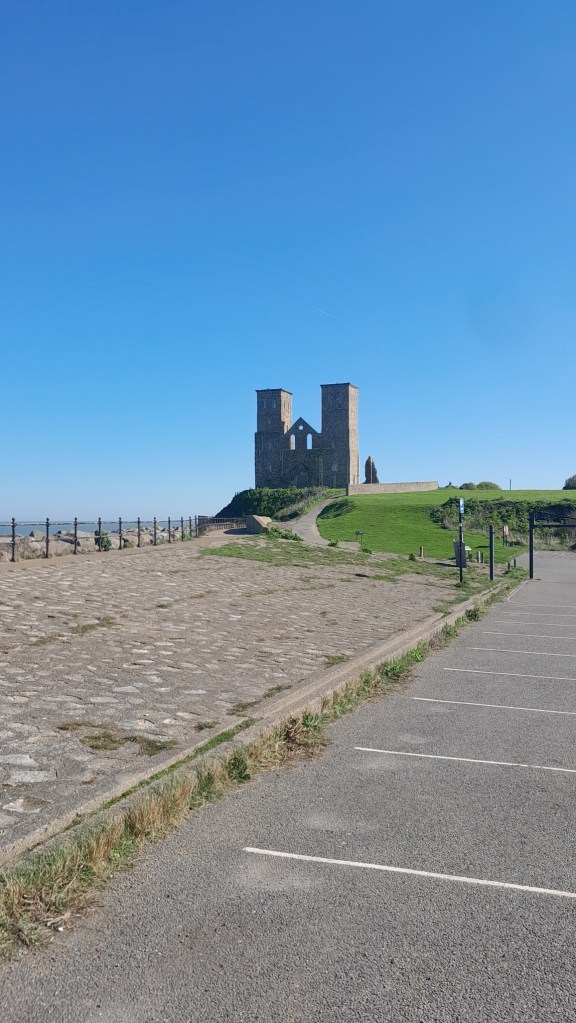
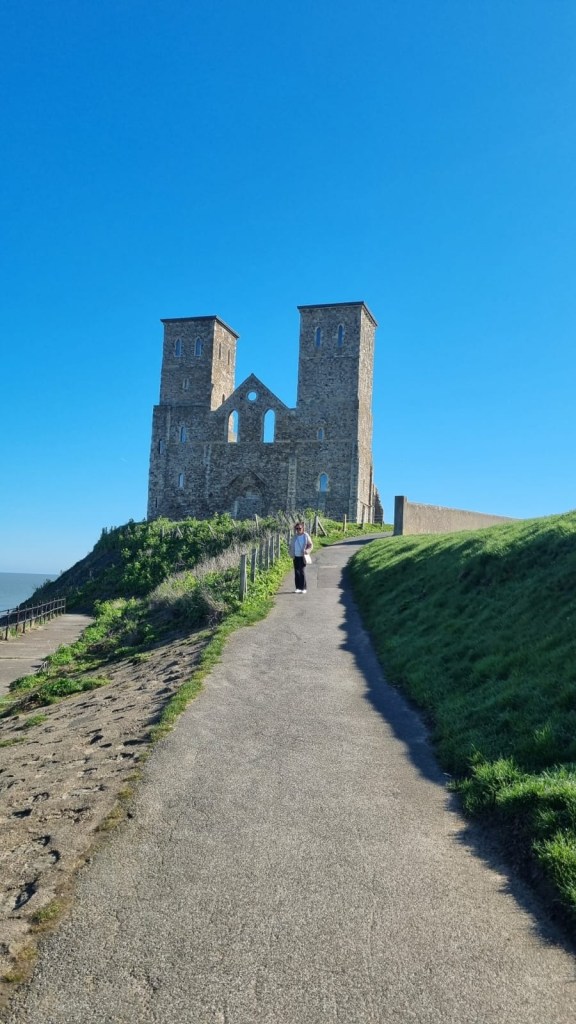
The Vanished Sea Lane: Two thousand years ago, this wasn’t a quiet cliff. It was a massive gateway to the Wantsum Channel, a sea lane up to 3 miles wide that completely cut the Isle of Thanet off from the mainland. Ships would sail right past where the towers now stand.
The Lost Village: As the channel silted up and the soft sandy cliffs eroded, the sea literally “ate” the town. A thriving medieval township with a weekly market and dozens of houses was dragged into the surf.
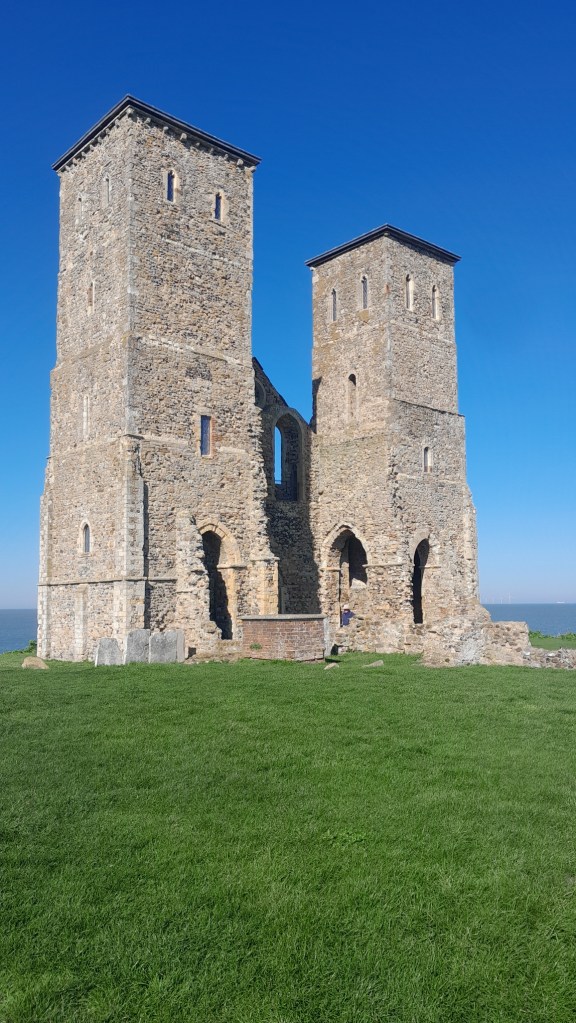
But the most chilling aspect of Reculver isn’t what was lost to the cold water; it is what was deliberately entombed inside the stone.
When 20th-century excavators dug into the foundations of this Roman fort, they unearthed a heartbreaking secret hidden in the mortar: the remains of at least ten infants. Five of these fragile bodies were found carefully placed directly within the foundations and walls of the Roman buildings themselves. Tarnished coins buried alongside them date this horrific act to between 270 and 300 AD.
Even more poignant was what archaeologists found buried in the floor less than ten feet away from one of the tiny skeletons: a Roman baby’s feeding bottle. Known as a tettina, this small clay vessel with a tiny spout would have been used to feed animal milk to a weaning infant. Finding this intimate object of care left so close to a site of sacrifice adds a devastatingly human layer to the ancient ruins.
The Wailing Baby: This isn’t just history; it’s a living ghost story. For generations, visitors have reported the sound of a crying baby echoing from the ruins on windy nights—a sound many believe is the echo of those ancient rituals.
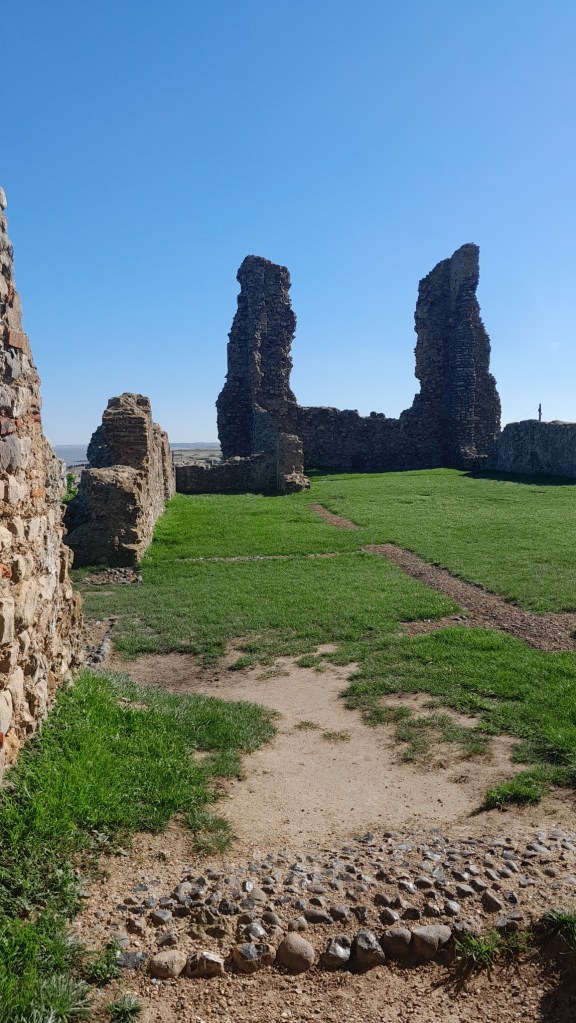
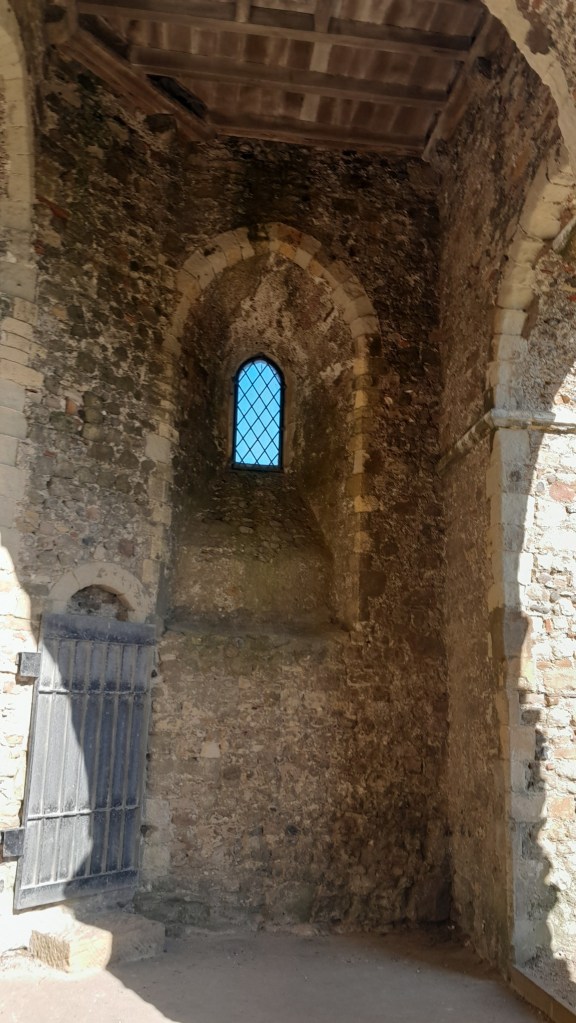
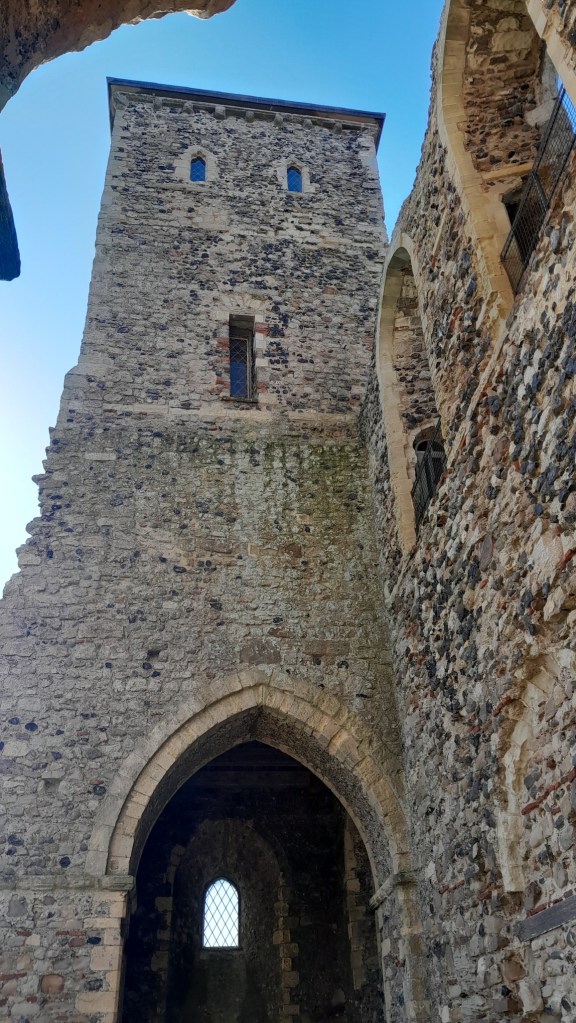
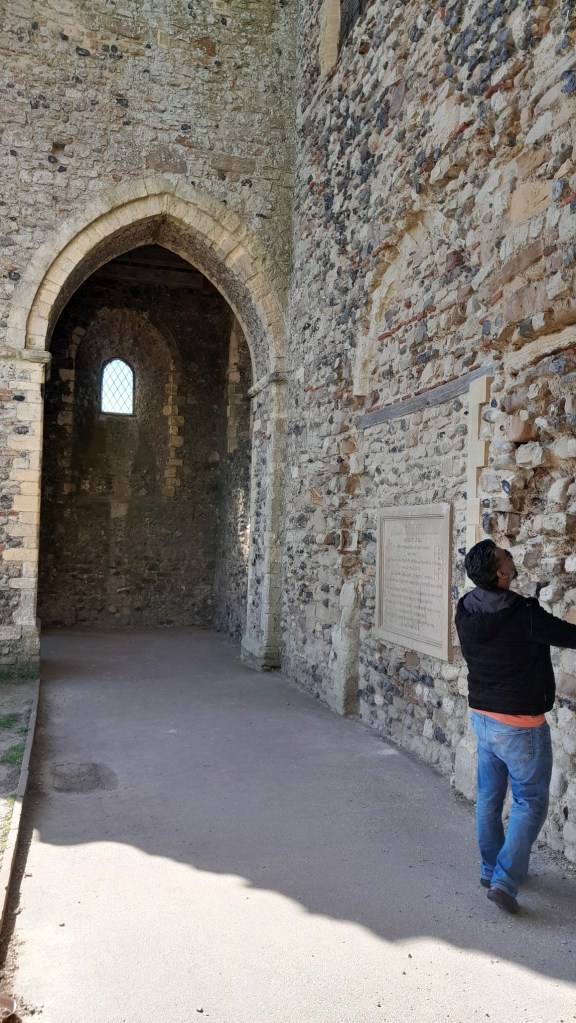
Were they terrified of the violent sea slowly devouring their cliffs, or driven to desperation by the relentless raids of pirates arriving on the tides? To stand by these towering walls is to feel a heavy, lingering grief. In the quiet of these ruins, beneath the vast Kentish sky, we took a moment to offer a silent prayer to these tiny, forgotten souls. May the pure, unconditional love of God finally cradle them, and may the earth that holds their remains offer the gentle, divine peace they were denied in life.
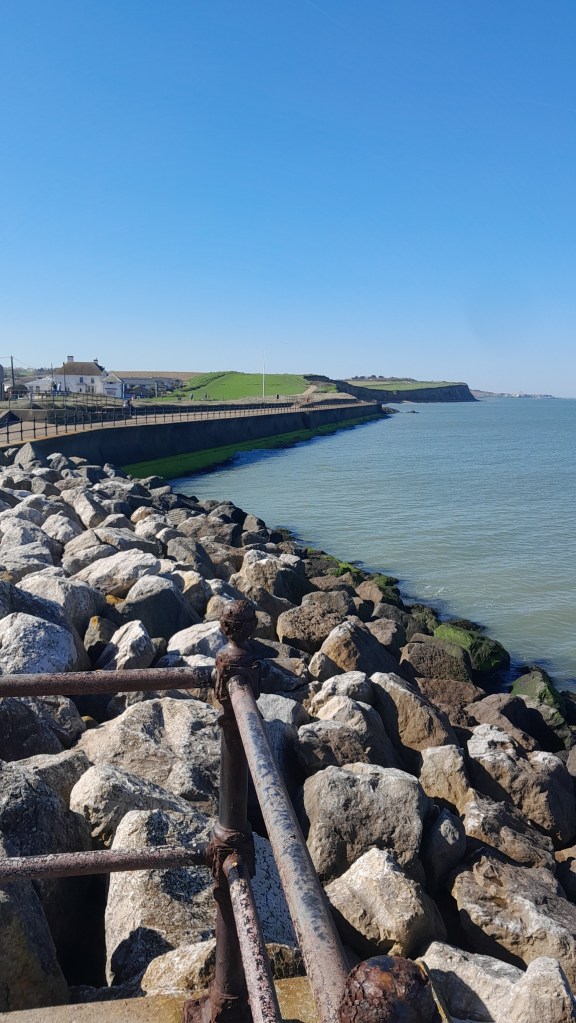
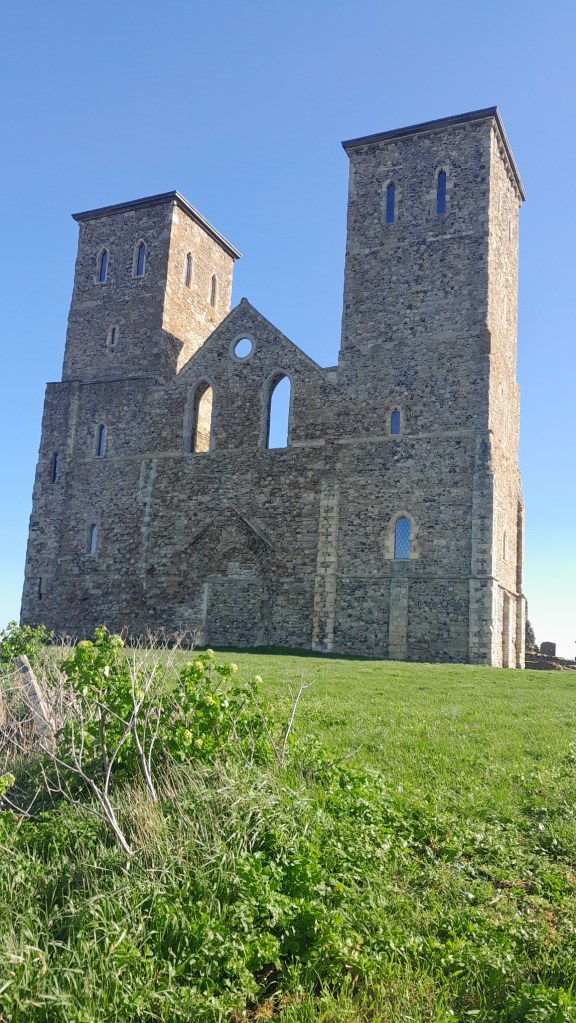
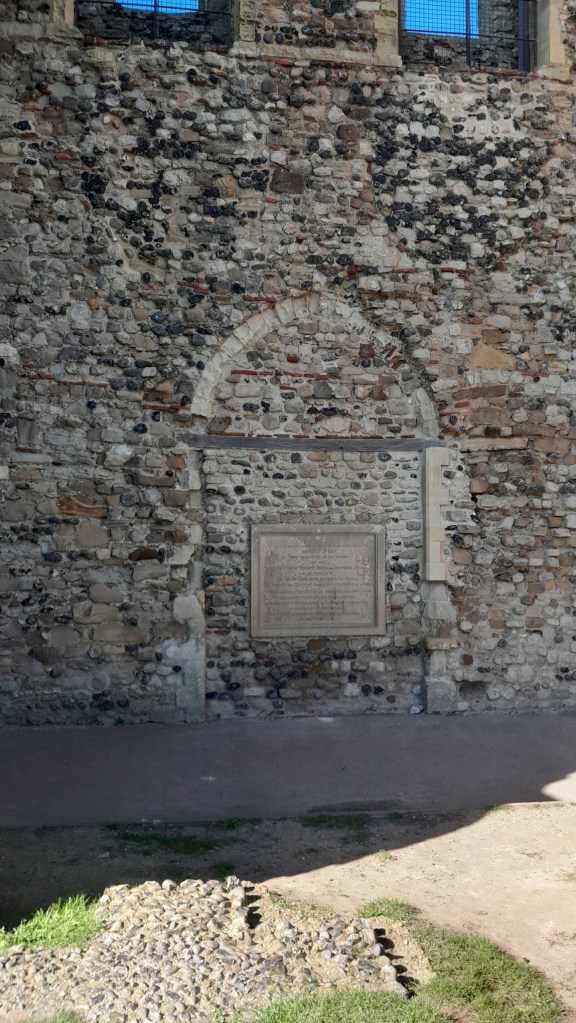
History here is a process of layering the new over the old. Centuries after the Romans abandoned their haunted fort, Anglo-Saxon monks arrived in 669 AD. Seeking holy ground, they unknowingly laid the stones of a grand new Christian sanctuary directly over those pagan sacrifices, building a monument to heaven resting squarely on a foundation of buried sorrow.
Eventually, the landscape was devoured. As the sandy cliffs gave way, the relentless sea literally ate the town that had grown around the monastery. The iconic twin towers only survive today because they were saved from demolition in 1809, repurposed as a stone navigation marker to warn sailors away from the sunken ruins of the very church they once belonged to.
Before the towers became an official beacon, those sinking marshes birthed another legend: the “Owlers.” In the 18th and 19th centuries, ruthless smuggling gangs hauled illicit French brandy and tobacco up the beaches under moonless nights. They used the crumbling graves of the monks and the ruined Roman walls as terrifying hiding spots from the Revenue men.
You would think the horrors of the coast were all left in the distant past, but even the damp earth beneath your feet holds modern dangers. During World War II, this quiet stretch of smuggler’s marshland was transformed into a top-secret proving ground for the legendary “Bouncing Bomb,” used in the famous Dambuster raids. Massive prototype bombs plunged into the mud and sat silently for decades, with one inert bomb being dragged from the shoreline as recently as 2017.
In many ways, exploring this stretch of coast feels like stepping between worlds—between serene beauty and haunting tales of courage, loss, and resilience. The Kentish coast is far more than a scenic drive—it’s a place where history whispers to those willing to listen, where every stone and wave carries the echoes of the past.
I felt compelled to share this morning’s experience with you, hoping it might inspire you to explore these shores one day. Until then, I’m sending you this little piece of Kent’s soul from afar.
 Explorers Lens: The Global Exploration Magazine